When Power Is Misused

Civil rights violations often leave people feeling powerless. You may question whether anyone will take you seriously, whether it is worth speaking up, or whether the system will protect the people who caused the harm. These cases can involve intense stress, public scrutiny, and emotional consequences that continue long after the incident ends.

At The Stuckey Firm, we understand that civil rights cases are personal. They are about dignity, safety, and accountability. We take time to listen, explain your options clearly, and help you decide how to move forward in a way that aligns with your goals and relieves any feelings of overwhelm. 

What Is a Civil Rights Claim?

A civil rights claim is a legal action that seeks accountability when a person’s rights are violated by a government actor or someone acting under the authority of the state. Many civil rights cases involve law enforcement, jails, or other public entities, and can include unlawful force, illegal searches, wrongful arrest, or other misconduct that causes harm.

Civil rights claims often involve both state and federal legal standards. For an overview of federal civil rights law and enforcement authority, the U.S. Department of Justice Civil Rights Division provides public information about civil rights protections. In Ohio, additional legal procedures and court expectations may apply, and the Supreme Court of Ohio Law Library offers helpful resources about civil litigation and how claims move through the courts.
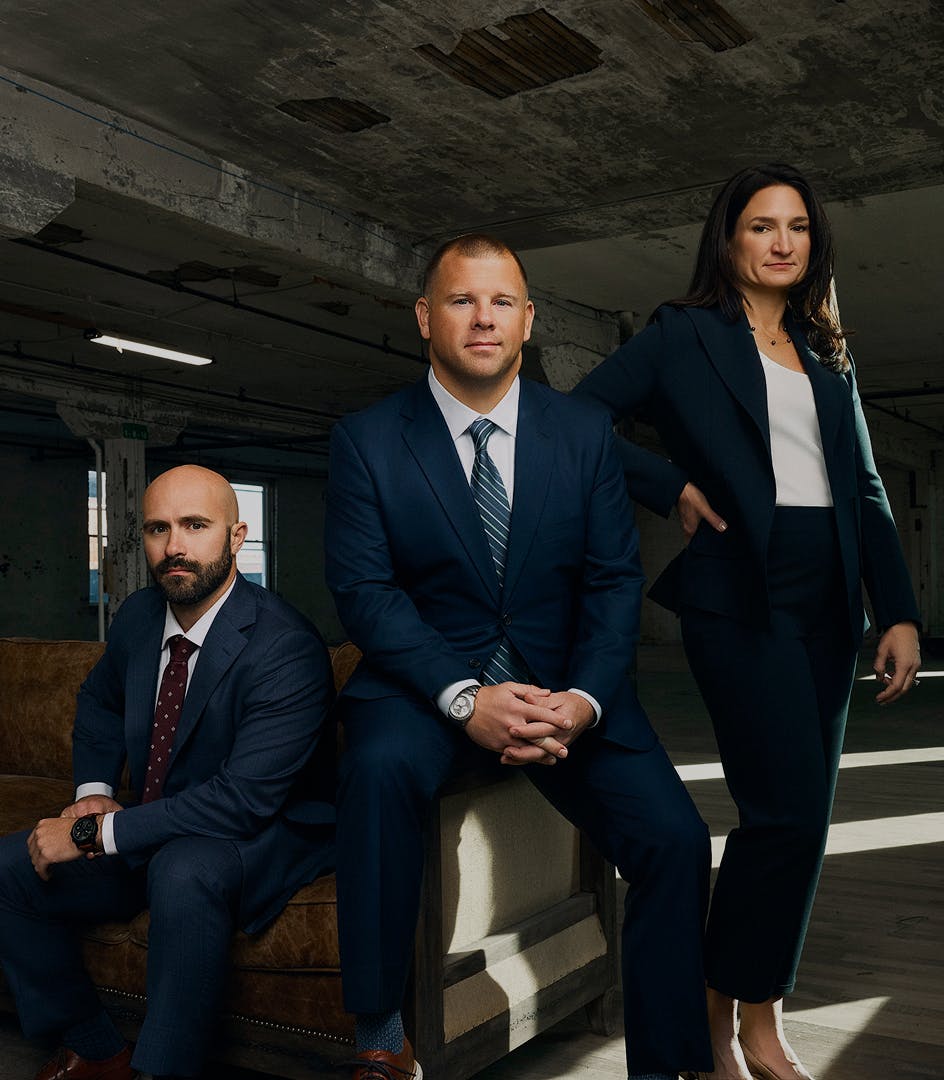
attorneys standing around

The Benefits of Working With a Civil Rights Lawyer

  • A Clear Strategy in a High-Stakes Case. Civil rights cases can move quickly and involve complex legal and factual issues. A lawyer helps you understand the standards that apply and what evidence will matter most.
  • Protection From Intimidation or Retaliation Pressure. Many people hesitate to come forward because they fear consequences. Counsel provides structure, guidance, and protection so you can pursue accountability with confidence.
  • Evidence Gathering That Strengthens the Claim. Civil rights cases often depend on video footage, witness statements, records requests, and careful documentation. A thorough approach helps preserve evidence before it disappears or becomes harder to obtain.
  • A Client-Centered Approach to Accountability. Not every client wants the same outcome. We work with you to define what justice looks like in your case, whether that means a settlement, public accountability, or litigation. In fact, preparing for litigation frequently results in a beneficial settlement outcome.

Get a Free Case Review

Available 24/7 (888) 910-7086

Does My Situation Require Civil Rights Representation?

If you were harmed by misconduct connected to law enforcement or another public entity, it is worth speaking with a lawyer. Civil rights cases often involve strict deadlines, legal immunities, and procedural requirements that do not apply in standard injury claims.

You should consider reaching out if you experienced excessive force, unlawful arrest, racial profiling, improper detention, retaliation, or serious mistreatment while in custody. Even if you are unsure whether your situation qualifies, a conversation can help you understand the legal standards and whether action is possible.

Banner media

The Civil Rights Case Process What to Expect

Step One: A Detailed Intake and Case Evaluation

We start by listening to your experience. We discuss what happened, what evidence exists, what injuries or harm you suffered, and what outcome you want. We also explain the legal standards that may apply and what steps come next.

Step Two: Evidence Preservation and Records Requests

Civil rights cases often rely on records that must be requested quickly, such as body camera footage, dispatch logs, incident reports, and jail or medical records. We work to preserve evidence early and develop a clear factual timeline.

Step Three: Legal Strategy and Claim Development

Once the evidence picture is clear, we evaluate which claims may apply and which parties may be responsible. This may involve state claims, federal claims, or both, depending on the circumstances and the misconduct involved.

Step Four: Negotiation or Litigation

Some civil rights cases resolve through negotiation, while others require litigation to pursue a meaningful outcome. We work with you to choose the approach that aligns with your goals and gives you the strongest path forward.

“We used Christian Sorg with The Stuckey Firm for a civil case that presented many challenges to achieve a successful outcome. Christian is professional, honest, and stern. His dedication to the facts, with hours of preparation, ultimately brought us a positive outcome and gave my family peace that we are VERY thankful for! Thank you, Nathan Stuckey & Christian, for taking this unorthodox civil case that had its fair share of obstacles. The Stuckey Firm is the best around.”

—S.T.

city media

Why Choose The Stuckey Firm?

A Client-First Firm That Works With You

Civil rights cases require trust and clear communication. We take time to understand your priorities, explain options in plain terms, and involve you in the decisions that shape how the case is pursued.

Trial-Ready Preparation for High-Stakes Claims

These cases often involve strong defense tactics and procedural challenges. We prepare thoroughly, preserve evidence, and pursue accountability with a strategy designed to withstand scrutiny, whether through negotiation or in court.

Credibility That Supports Meaningful Advocacy

Our attorneys are respected statewide, and we bring that credibility to every case we handle. We approach civil rights matters with seriousness and purpose, protecting clients who deserve to be heard and treated with dignity.

Civil Rights Frequently Asked Questions

What is the difference between police misconduct and police brutality?

Police misconduct is a broad category that can include unlawful stops, searches, arrests, or abuse of authority. Police brutality specifically refers to excessive physical force. Both may support a civil rights claim depending on the facts.

Can I file a civil rights claim if I was arrested?

Possibly. An arrest does not eliminate your civil rights. If force was excessive, procedures were unlawful, or your rights were violated during detention, a claim may still be possible depending on the circumstances.

What outcomes are possible in a civil rights case?

Outcomes may include financial recovery, formal accountability, policy changes, or other forms of resolution, depending on the claim. The right strategy depends on your goals and the strength of evidence available.

Do I need video evidence to bring a civil rights claim?

Not always. Video can help, but civil rights cases may also rely on witness testimony, medical records, documentation of injuries, and official reports. Early legal guidance can help preserve and obtain key evidence.

How long do I have to take legal action?

Deadlines vary based on the type of claim and whether it is filed under state or federal law. Because time limits can be strict, it is best to speak with counsel as early as possible after the incident.
Attorney Media

Get Answers About Your Civil Rights Case

If you believe your rights were violated and you are unsure what to do next, we are here to help. Contact The Stuckey Firm to schedule a confidential consultation and get clear guidance from a team that will work with you from the start.

Talk With a Local Attorney Get a Free Case Review

If you’re unsure what to do next, we’re here to listen and help you understand your options

Call Us 24/7: (888) 910-7086
This field is required.
Submit Information

This site is protected by reCAPTCHA and the Google Privacy Policy (opens in a new tab) and Terms of Service (opens in a new tab) apply.

Accessibility: If you are vision-impaired or have some other impairment covered by the Americans with Disabilities Act or a similar law, and you wish to discuss potential accommodations related to using this website, please contact our Accessibility Manager at (888) 910-7086.
Contact Us