
When Force Goes Too Far

Encounters with law enforcement can escalate quickly. What begins as a routine stop or interaction may turn violent when an officer uses force that is unnecessary or excessive. For many people, the damage extends beyond physical injuries. There is often fear, confusion, and a deep sense of violation that follows when authority is misused.

Police brutality cases are serious and personal. They often involve power imbalances, public scrutiny, and concern about speaking out. At The Stuckey Firm, we approach these cases with care and resolve. We work with you, not just for you, listening closely to what happened and helping you move forward in a way that protects your rights and your dignity.

When someone is injured, families often feel overwhelmed by everything happening at once. Legal representation can remove the burden of dealing with insurers, paperwork, and legal deadlines.`

What Is Police Brutality?

Police brutality generally refers to the use of excessive or unreasonable force by law enforcement. It can include strikes, kicks, chokeholds, taser use, baton strikes, firearm force, or other actions that are not justified by the situation. In many cases, brutality also involves force used after a person is already restrained or no longer poses a threat. 

Most police brutality claims are evaluated under federal civil rights standards, including constitutional protections against unreasonable force. For general information on how excessive force and law enforcement misconduct are addressed at the federal level, the U.S. Department of Justice's Civil Rights Division provides public resources that explain civil rights protections. At the state level, civil rights cases in West Virginia must also follow specific court procedures. The West Virginia Judiciary provides public information about civil filings, court structure, and the process of claims moving through the legal system, which can help individuals understand how these cases are handled locally.


person pointing at document

The Benefits of Working With a Police Brutality Lawyer

  • Strategic Guidance in High-Stakes Cases. Police brutality claims often involve aggressive defenses and complex legal standards. Legal representation helps ensure the case is built carefully and evaluated under the correct framework.
  • Support Through a Traumatic Experience. Many people feel overwhelmed or intimidated after an incident involving excessive force. Having counsel provides structure, clarity, and a steady advocate throughout the process.
  • Early Evidence Preservation. These cases frequently rely on body-camera footage, dash-cam video, dispatch logs, medical records, and witness statements. Acting early helps preserve critical evidence before it is lost or overwritten.
  • A Client-Focused Path to Accountability. Not every client wants the same outcome. Some seek compensation for injuries and trauma, while others wish for formal accountability. We work with you to define what justice looks like in your case.
Banner media

Does My Situation Require Police Brutality Representation?

You may want legal guidance if you were injured during an encounter with law enforcement and believe the force used was excessive. Being arrested or charged does not automatically justify the level of force used. If the force was disproportionate, retaliatory, or continued after you were restrained, a civil rights claim may still be possible.

It is especially important to seek guidance if you have documented injuries, ongoing medical treatment, or emotional trauma related to the incident. Police brutality cases often involve strict deadlines and procedural requirements, and early legal advice can help protect your ability to take action.

Get a Free Case Review

Available 24/7 (304) 407-3177

Police Brutality Cases What to Expect

Step One: Listening and Case Evaluation

We begin by listening carefully to your account of what happened. We review injuries, medical care, witnesses, and any available evidence. We also discuss your goals and explain how excessive-force claims are evaluated.

Step Two Evidence Preservation and Records Requests

Police brutality cases often depend on records that must be requested quickly, including body-camera footage, dispatch logs, arrest reports, and jail records. Prompt action helps preserve this evidence.

Step Three: Claim Development and Legal Strategy

Once the evidence is reviewed, we determine which legal claims are applicable and which parties may be liable. Depending on the circumstances, this may involve federal civil rights claims, state-law claims, or both.

Step Four: Negotiation or Litigation

Some cases resolve through negotiation. Others require litigation to pursue meaningful accountability. We ensure every case is trial-ready, ensuring your options remain protected throughout the process.

We prepare every case as if it could go to court, because strong preparation leads to stronger results. Still, filing a lawsuit does not always mean trial—it often leads to settlement negotiations on fairer terms.

Examples of Police Brutality

Police brutality can occur in many forms, and the details matter. Examples may include:

  • Using force against someone who is not resisting
  • Applying force after a person is restrained or handcuffed
  • Chokeholds or restraints that restrict breathing
  • Excessive or repeated taser use
  • Baton strikes or weapon use without justification
  • Retaliatory force after questioning an officer
  • Denial or delay of medical care following an encounter

These incidents can result in fractures, head injuries, internal trauma, nerve damage, and long-term psychological harm. A strong legal claim connects those injuries to the unjustified use of force and explains why the conduct was unreasonable under the law.

A Client-First Firm That Works With You

Police brutality cases require trust and communication. We work with you, not just for you, taking time to understand your priorities and involving you in decisions at every stage.

Trial-Ready Preparation for Serious Claims

These cases often face aggressive defenses and procedural challenges. We preserve evidence early, build credibility carefully, and prepare each case to withstand scrutiny.

Credibility That Supports Advocacy

Our attorneys are highly respected across Ohio and West Virginia, and they approach civil rights cases with the utmost seriousness and professionalism. We pursue accountability with care, strength, and respect for the people we represent.

Frequently Asked Questions Police Brutality

What is considered excessive force in a police brutality case?

Excessive force generally refers to force that was not reasonable under the circumstances. It may include force used when there was no threat, when a person was not resisting, or after they were already restrained.

What evidence matters in a police brutality case?

Video footage, medical records, photographs, witness statements, and official reports can all be important. Early action helps preserve this evidence.

How long do I have to take legal action?

Deadlines vary based on whether the claim is filed under state or federal law. Because time limits can be strict, it is essential to speak with a lawyer as early as possible.

Can I pursue a claim if I was arrested or charged with a crime?

Yes. An arrest does not eliminate your civil rights. If the force used was disproportionate or unlawful, a claim may still be possible depending on the facts.

What if the police report does not match what happened?

This is common in brutality cases. Independent evidence, including video, medical documentation, and witness accounts, can help clarify what actually occurred.
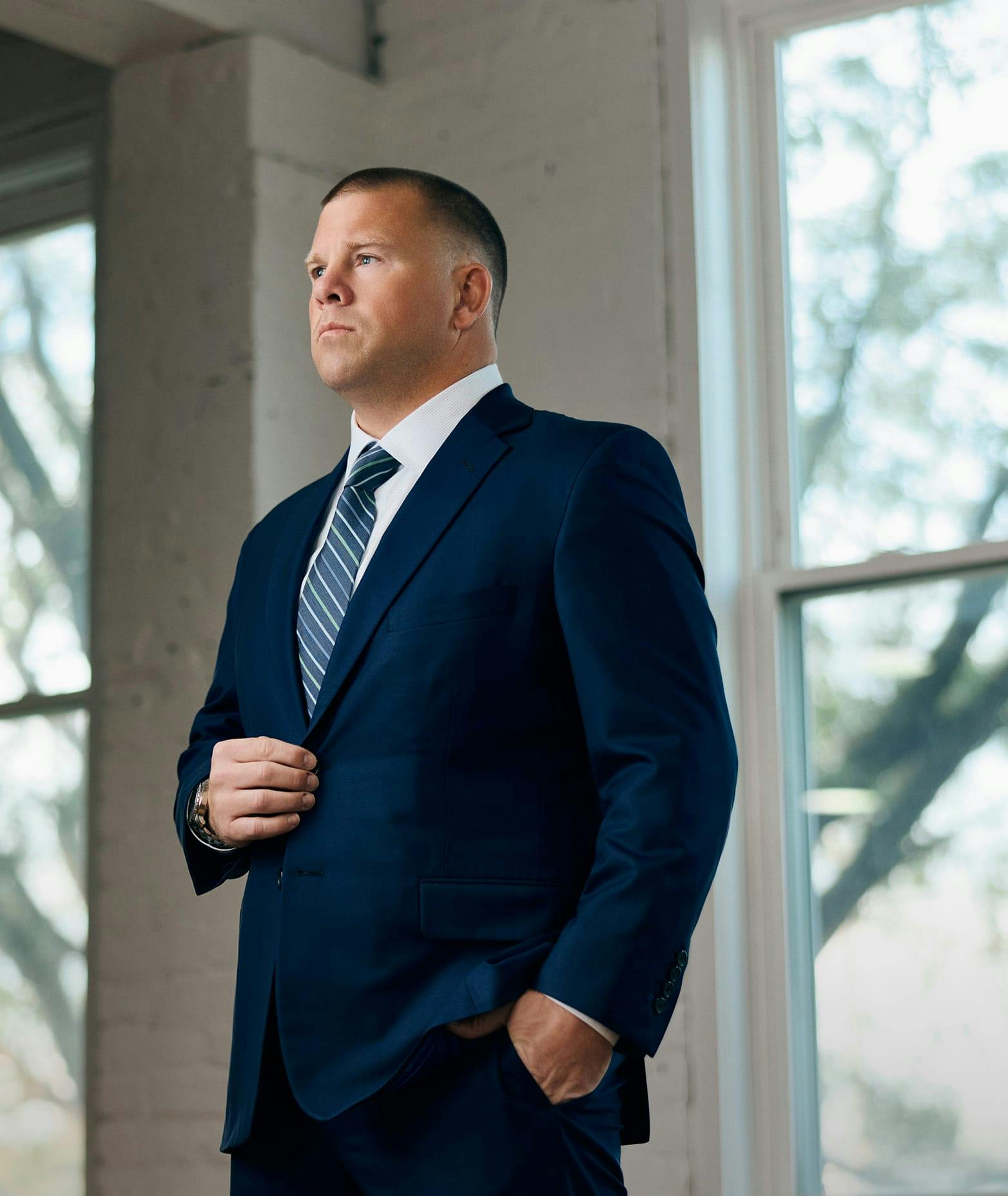
Attorney Media

Speak With a Wheeling Police Brutality Lawyer

If you believe you were subjected to excessive force in Wheeling, you do not have to navigate the aftermath alone. Contact The Stuckey Firm to schedule a confidential consultation and get clear guidance from a team committed to protecting your rights and your voice.

Talk With a Local Attorney Get a Free Case Review

If you’re unsure what to do next, we’re here to listen and help you understand your options

Call Us 24/7: (304) 407-3177
This field is required.
Submit Information

This site is protected by reCAPTCHA and the Google Privacy Policy (opens in a new tab) and Terms of Service (opens in a new tab) apply.

Accessibility: If you are vision-impaired or have some other impairment covered by the Americans with Disabilities Act or a similar law, and you wish to discuss potential accommodations related to using this website, please contact our Accessibility Manager at (304) 407-3177.
Contact Us