When a Hospital Fails to Protect Patients

Hospitals are complex systems. Patients often interact with multiple doctors, nurses, technicians, and departments, sometimes in a matter of hours. When communication breaks down or safety protocols are ignored, the result can be severe injury, permanent complications, or wrongful death.

Many families feel blindsided when something goes wrong. They may be told the complication was unavoidable, even when warning signs were missed or care fell below basic standards. Hospital negligence cases require a careful investigation into records, staffing, policies, and medical decisions. These cases are not about perfection. They are about whether a hospital and its providers met the level of care a patient had the right to expect.

When you hire a lawyer, you should not feel like you are adding stress to your life—you should feel relief. We step in to handle the insurers, deadlines, and legal process so you can focus on treatment and stability. 

woman sitting looking down

What Is a Hospital Negligence Claim?

A hospital negligence claim is a type of medical malpractice case that alleges a hospital, its staff, or its policies caused preventable harm. These claims may involve nursing errors, failure to monitor, improper discharge, medication mistakes, infections, surgical complications, or unsafe conditions within the facility. In some cases, negligence involves individual providers. In other cases, it involves hospital systems such as staffing levels, communication protocols, or training failures. Hospitals may also be responsible for the actions of employees or certain providers working within the facility. Legal responsibility depends on the facts, the relationship between the hospital and the provider, and what policies, supervision, or control were involved. For public information about hospital quality and how facilities are evaluated nationwide, CMS Hospital Compare provides federal data on hospital performance and patient safety.

The Benefits of Working With a Medical Malpractice Attorney for Hospital Negligence

  • A Thorough Review of Records, Staffing, and Systems - Hospital negligence cases often involve multiple providers and departments. Legal counsel helps uncover where the breakdown occurred, whether it was preventable, and who may be legally responsible.
  • Expert Support to Prove the Standard of Care - These cases frequently require medical experts to explain what hospital staff should have done and how negligence caused harm. Expert review is critical to establishing credibility.
  • A Claim That Reflects the Full Scope of Harm - Hospital negligence can result in permanent disability, long-term medical needs, or loss of life expectancy. A strong claim accounts for medical costs, future care, lost income, and lasting impact on daily life.
  • Trial-Ready Strategy for High-Defense Cases - Hospitals and insurers often defend these claims aggressively. Trial-ready preparation helps prevent the case from being minimized or dismissed.

Does My Situation Require a Hospital Negligence Attorney in Wheeling, WV?

You may need legal guidance if a hospital mistake caused serious injury, worsened a condition, or resulted in a preventable death. Hospital negligence is often suspected when a patient declined unexpectedly, warning signs were ignored, an infection developed during a hospital stay, or a patient was discharged too early.

You should also consider speaking with a lawyer if you believe a nurse failed to monitor a patient properly, medication was administered incorrectly, test results were delayed or not communicated, surgical complications were not addressed promptly, or your loved one suffered an injury while under hospital care.  A consultation can help determine whether the harm may be linked to negligence and whether the evidence supports a claim.
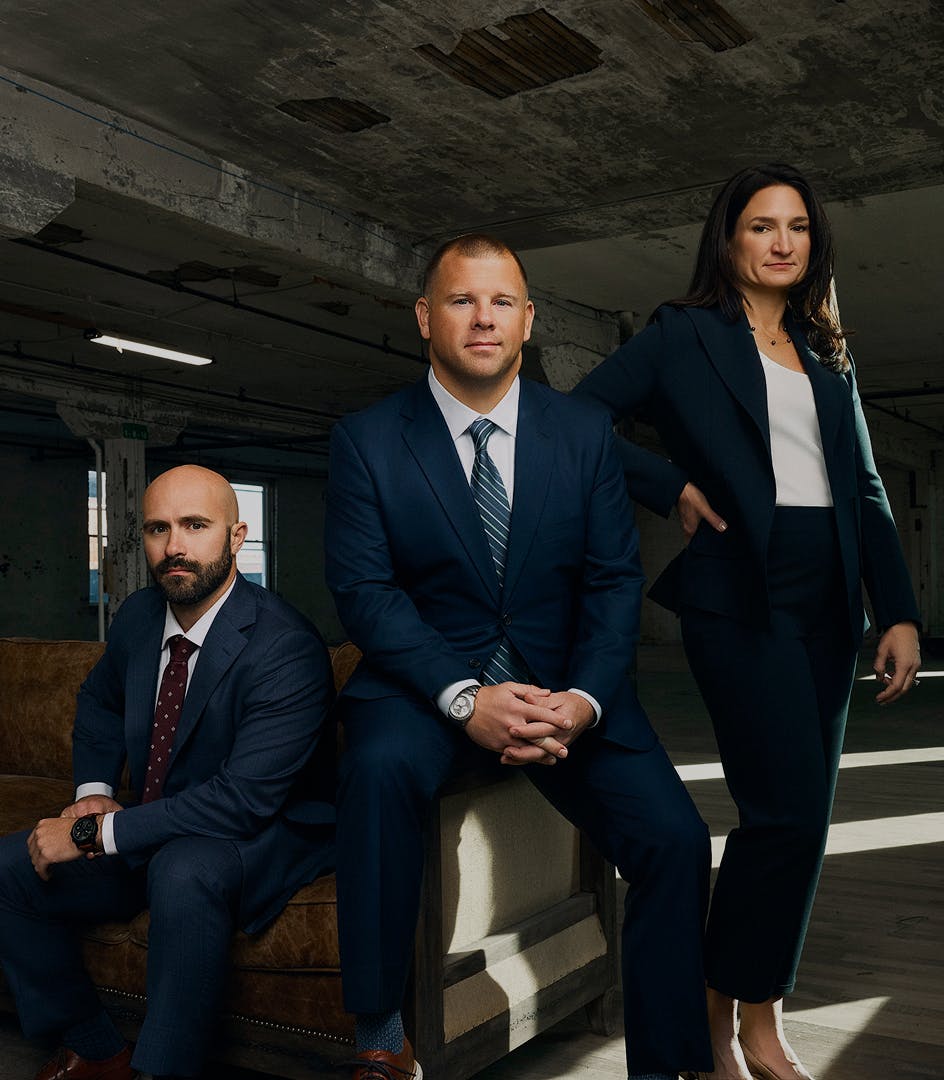

attorneys standing around

The Hospital Negligence Case Process What to Expect

Step One: Intake and Case Evaluation

We begin by listening to what happened and discussing the injury, treatment timeline, and current medical needs. We also talk through your goals and what accountability means to you and your family.

Step Two: Records Collection and Expert Review

We gather hospital records, medication administration logs, nursing notes, test results, imaging, and discharge documentation. We then consult qualified medical experts who can evaluate whether the care met accepted standards and whether a hospital failure contributed to the injury.

Step Three: Building the Claim

If negligence is supported, we build a claim that reflects medical costs, future care needs, lost income, and long-term impact. Hospital negligence cases often involve complex damages because injuries may affect independence, mobility, or life expectancy.

Step Four: Negotiation or Litigation

Some hospital negligence cases resolve through negotiation. Others require litigation to pursue fair accountability. We prepare thoroughly and help you decide what path aligns with your goals and the strength of the evidence.

If a lawsuit becomes necessary, it is often because it strengthens the case, not because a trial is inevitable. We stay prepared either way.

Common Examples of Hospital Negligence

Hospital negligence can involve many types of preventable harm. Common examples include:

  • Failure to monitor vital signs or changes in condition
  • Delayed response to signs of infection or internal bleeding
  • Medication errors or dangerous drug interactions
  • Failure to communicate test results or treatment changes
  • Surgical mistakes or post-surgical complications not treated properly
  • Hospital-acquired infections due to inadequate infection control
  • Falls, bed sores, or preventable injuries during inpatient care

These cases often require identifying whether a provider error, a policy failure, or systemic breakdowns within the hospital environment caused the harm. A thorough investigation can clarify what happened and determine who is responsible.

Banner media
logomark Background media

Talk with a local attorney today.

Available 24/7 (304) 407-3177

“The Stuckey Firm went above and beyond for our family. Nate came to us after we lost my son; he was available at all hours if we had questions. He took care of everything every step of the way and kept our family informed.”

—B.W.

city media

Why Choose The Stuckey Firm?

A Client-First Firm That Works With You

Hospital negligence cases can leave families overwhelmed and uncertain. We work with you, not just for you, taking time to listen, explain your options clearly, and help you make informed decisions throughout the process.

Trial-Ready Preparation for High-Stakes Malpractice Claims

Hospitals and insurers often defend these cases aggressively. We prepare thoroughly, work with qualified experts, and build evidence that reflects the full medical reality, including long-term care needs and future planning.

Credibility That Strengthens the Case

Our attorneys are respected statewide and known for bringing well-prepared, meritorious claims. That credibility matters in malpractice cases, where hospitals may attempt to shift blame or minimize systemic failures.

Hospital Negligence Frequently Asked Questions

Is hospital negligence different from medical malpractice?

Hospital negligence is a form of medical malpractice. It typically involves failures by hospital staff, policies, or systems that lead to harm. Some cases involve individual providers, while others involve broader hospital-level responsibility.

What types of injuries are common in hospital negligence cases?

Hospital negligence can cause infections, medication complications, surgical injuries, delayed diagnosis outcomes, brain injuries, disability, or death. Severity often depends on how long the negligence continued before it was corrected.

How long do I have to take legal action in West Virginia?

West Virginia medical malpractice claims are subject to strict time limits and procedural requirements. Because deadlines can be complex and fact-specific, it is best to speak with counsel as early as possible to protect your rights and preserve evidence.

Can a hospital be responsible for the actions of doctors and nurses?

In many cases, yes. Hospitals can be responsible for their employees and may also bear responsibility for certain providers working within the facility, depending on the circumstances. Liability depends on the facts and relationships involved.

Do hospital negligence cases require expert testimony?

Yes. Most hospital negligence claims rely on medical experts to explain the standard of care and how the hospital’s failure caused harm. Expert review is often essential to proving the case.

Attorney Media

Get Answers About Hospital Negligence in Wheeling, WV

If you believe a hospital mistake caused serious harm, you deserve clarity. Contact The Stuckey Firm to schedule a confidential consultation and get straightforward guidance on whether negligence may be involved and what the next steps could look like.

Talk With a Local Attorney Get a Free Case Review

If you’re unsure what to do next, we’re here to listen and help you understand your options

Call Us 24/7: (304) 407-3177
This field is required.
Submit Information

This site is protected by reCAPTCHA and the Google Privacy Policy (opens in a new tab) and Terms of Service (opens in a new tab) apply.

Accessibility: If you are vision-impaired or have some other impairment covered by the Americans with Disabilities Act or a similar law, and you wish to discuss potential accommodations related to using this website, please contact our Accessibility Manager at (304) 407-3177.
Contact Us